First Charge Laid Under New Sex-Based Harassment Law at London Bridge
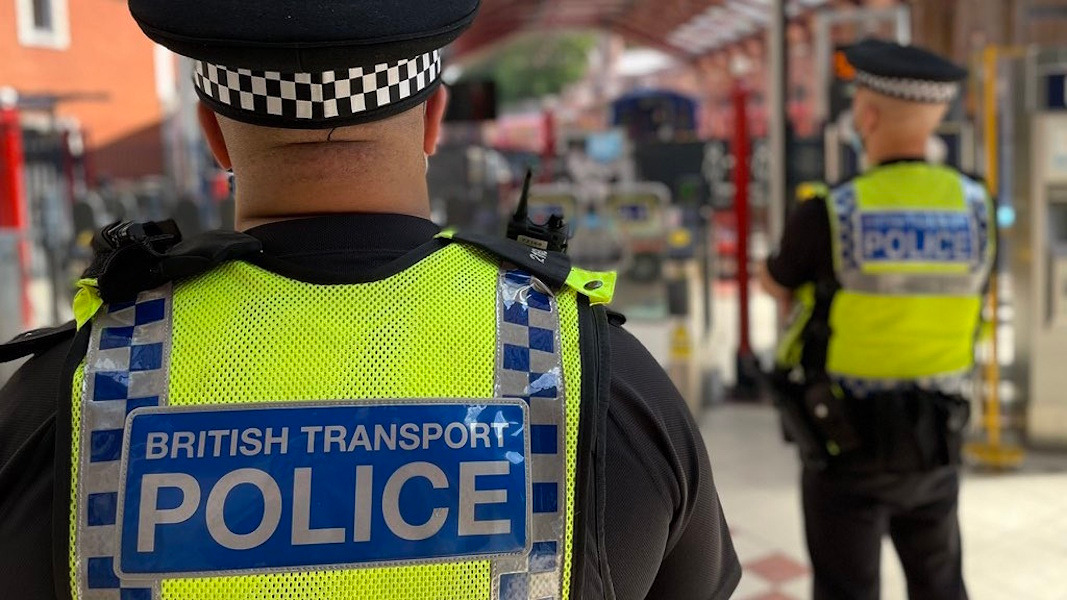

A landmark case has been brought by British Transport Police, marking the first charge secured under new sex-based harassment legislation introduced earlier this month.
The charge was authorised just two days after the law came into force on 1 April, signalling an immediate use of the strengthened powers designed to tackle harassment in public spaces.
Officers were called to London Bridge station at around 10.50pm on 3 April following reports that a man had directed sexually motivated comments towards a woman onboard a train travelling from Hastings. Police met the service on arrival, identified a suspect and made an arrest.
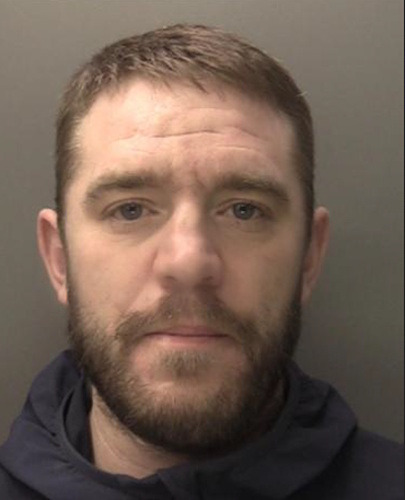
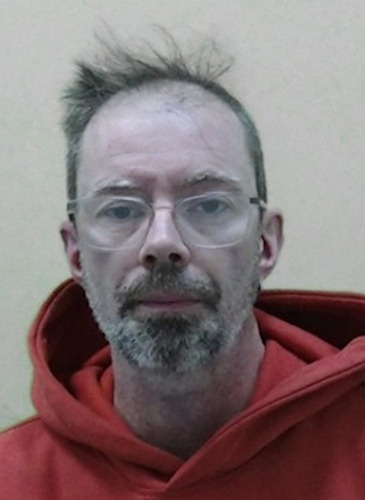
David Stroud, 43, of Buckland Hill in Maidstone, has since been charged in connection with the incident. He faces an offence under Section 4B of the Public Order Act 1986 and is due to appear at Highbury Magistrates’ Court on 7 May.
The newly introduced Section 4B offence expands existing public order laws by specifically targeting behaviour intended to cause harassment, alarm or distress on the basis of a person’s sex or presumed sex. It builds on the previous Section 4A provision while allowing for tougher penalties, including potential prison sentences of up to two years.
The legislation is designed to address a range of behaviours, including unwanted following, obstruction, inappropriate comments, aggressive gestures and invasions of personal space where these actions are motivated by sex. It aims to give officers clearer authority to intervene earlier and pursue stronger enforcement action.
Detective Chief Inspector Nia Mellor said:
“We’ve worked tirelessly over the last few years to stamp out sexual harassment on the rail network – raising awareness of unacceptable behaviours and empowering victims to report them to us, knowing they will always be believed and taken seriously. Until now, there was no specific legislation addressing this behaviour which in some cases could make it difficult to prosecute – which is why we’ve worked with our partners at TfL and the Rail Delivery Group, as well as specialist support organisations such as the Suzy Lamplugh Trust to push the government for change. That work has now delivered results, with the new legislation strengthening our powers to deal with sexual harassment and making it clear that offenders will be dealt with robustly. This work is central to keeping the public safe and upholding our commitment to protecting those who need us most. I’d urge anyone who experiences or witnesses sexual harassment on the rail network to report it to us discreetly by texting 61016 or calling 0800 40 50 40.”
Image: British Transport Police
Related Stories