‘Second Chance at Life’: Train Passenger Reunited With NHS Staff Who Saved Him
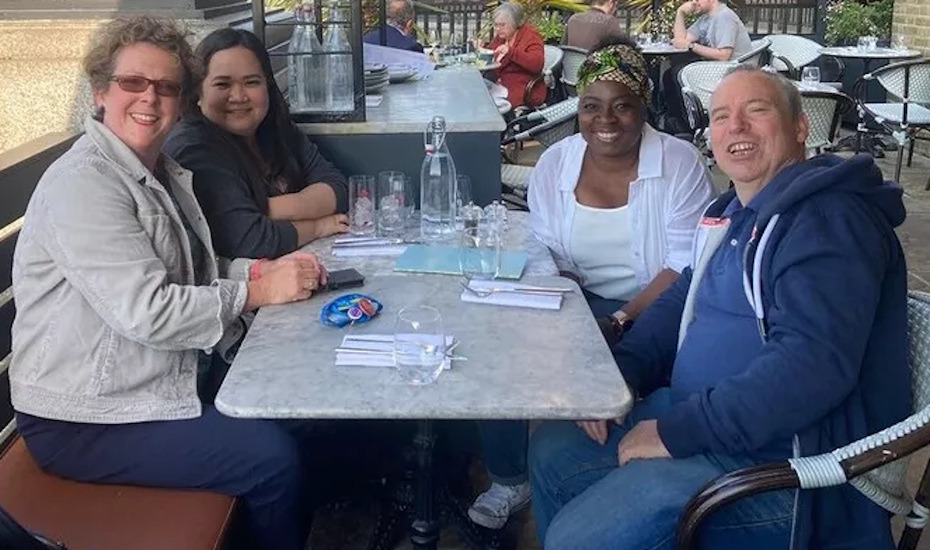

A passenger who suffered a cardiac arrest on a London train has been reunited with the off-duty NHS staff who helped save his life, thanking them for giving him a “second chance at life”. The incident unfolded during a routine journey home but ended with an extraordinary example of quick thinking and teamwork.
Philip Le Pere, 54, collapsed shortly after boarding a train from Waterloo East in January. As the service departed London Bridge station, he suddenly went into cardiac arrest, falling seriously ill in the carriage.
By chance, several members of staff from Guy’s and St Thomas’ NHS Foundation Trust were travelling on the same train or in neighbouring carriages. Jenny Penn, a sustainability communications and engagement manager at the Trust, quickly coordinated help from fellow passengers to lower Philip safely onto the floor. Karen Torre, a haemophilia research nurse, and Dee Yissau, education and workforce lead for the London Neonatal Operational Delivery Network, immediately began CPR. An off-duty paramedic contacted the emergency services for guidance, while another passenger alerted the train driver.
Philip, from Swanley, said:
“I was on my way home from work and going to visit my mum who lives in Welling. I got on the train at Waterloo East and that’s the last thing I remember – the rest is a blur – and I woke up in King’s College Hospital’s Emergency Department. Over Christmas I had felt a bit breathless at times and was meaning to speak to my GP, but never got round to it. I don’t remember feeling unwell before I collapsed so it was a shock to wake up in hospital! It was great to meet with Jenny, Karen and Dee, and to fill in the gaps in my memory. I was so amazed to hear what happened! I’d like to say a huge thank you to everyone who helped me on that train journey home. I’m so grateful that I’ve been given a second chance at life.”
Jenny Penn, who also works at King’s College Hospital, described how events escalated rapidly inside the carriage. She said:
“I was on my commute home when I heard someone making very loud noises then a passenger shouted out that someone was having difficulty breathing. I raced to the other end of the carriage and shouted for help in lifting him to the floor. I checked his airway for any blockage and that’s when we went into action. In all the commotion it struck me that no one was talking to Philip so I did just this, shouting for him to breathe during CPR. When we were on the train we spotted that Philip had a work ID pass for the Met Police, and through my Neighbourhood Watch community contacts I managed to find out later that Philip had been taken to King’s College Hospital and had survived!”
Karen Torre said she responded instinctively when she heard calls for help from another carriage. She said:
“Someone came running into my carriage shouting for help as a man wasn’t breathing well, so I went to see if I could help. When I got there, Philip was lying on the carriage floor, and my colleague Dee had already started CPR. I went over and started to help. I’ve never had to give CPR outside of a hospital setting, and it felt like a lifetime as the train continued moving to the next station.”
When the train reached Lewisham station, Karen, Dee, Jenny, the paramedic and other passengers worked together to move Philip onto the platform, continuing CPR until London Ambulance Service crews, British Transport Police officers and station staff took over.
Philip was treated at King’s College Hospital for a cardiac arrest and heart attack, undergoing emergency surgery and having a stent fitted. After two weeks in hospital, he was discharged and continues his recovery at home with ongoing medication.
Avey Bhatia, Chief Nurse at Guy’s and St Thomas’, said:
“We’re all so exceptionally proud of our colleagues who helped to save Philip’s life, and it’s great to see them reunited. Our staff go above and beyond in helping people, and not just when they’re at work. This is a powerful example of the importance of CPR and how starting it as quickly as possible will give that person the best possible chance of survival.”
Image: Guy’s and St Thomas Hospital
Related Stories