LNER Today: From Heritage to High-Speed on the East Coast Main Line

London North Eastern Railway carries a name with deep roots in Britain’s rail history. The original London and North Eastern Railway was formed on 1 January 1923 through the Railways Act 1921, which grouped six major and 27 smaller pre‑grouping companies into one of the “Big Four” railway companies. The original LNER became known for its engineering achievements, record-breaking steam locomotives such as the Mallard, and for operating key long-distance routes on the East Coast Main Line connecting London with Yorkshire, the North East, and Scotland.
In modern times, the LNER name was revived in June 2018 when the UK government brought the East Coast Main Line passenger services back into public ownership after the previous franchisee was unable to meet its financial commitments. Since then, London North Eastern Railway has served as the primary operator on the East Coast Main Line from London King’s Cross to core destinations including York, Newcastle, Edinburgh, and routes into northern Scotland and the East Midlands. The East Coast Main Line remains one of the UK rail network’s flagship intercity corridors, carrying millions of passengers annually and underpinning important economic and cultural links between London and northern cities.
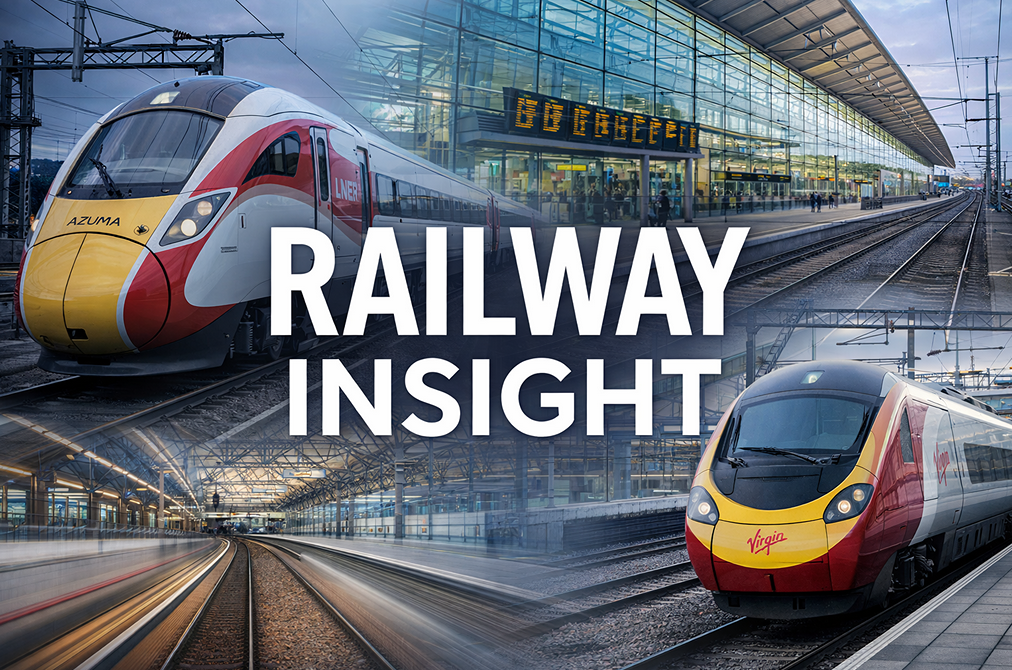
A defining feature of the modern LNER is its Azuma fleet — trains assembled by Hitachi Rail in County Durham that entered service beginning in May 2019. The fleet comprises electric (Class 801) and bi‑mode (Class 800) units, capable of running on electric power where overhead lines exist and using diesel on non‑electrified sections. These trains operate at speeds of up to 125 mph and are formed in five‑car and nine‑car sets. LNER also continues to operate Class 91 locomotives with Mk4 coaches on selected services along the East Coast Main Line. Onboard amenities across both fleets include free Wi‑Fi, power sockets at every seat, an onboard cafe/bar and trolley services, and First Class cabins with additional seating space and meal services. The First Class offer provides complimentary meals and drinks, but in practice is often considered modest compared with the more extensive full-service catering offered by GNER, a previous operator on the route, reflecting a shift in how premium service is delivered on long-distance trains. Accessibility features such as wheelchair spaces and accessible toilets are fitted across the fleet.
LNER has also celebrated its heritage and community links through named and specially liveried Azuma trains. For example, in 2023 the operator unveiled a train called “Century” to mark 100 years of the LNER name, and more recently, an Azuma unit received artwork marking the 200th anniversary of early British railway history.
LNER has implemented several customer-facing initiatives. These include digital enhancements for ticketing and onboard information, inclusive accessibility measures at key stations, and initiatives aimed at improving passenger convenience. The operator has also placed an order for ten ten-car tri-mode Civity trains from CAF, capable of operating on electric, diesel, or battery power, which will further modernize the fleet and enhance operational flexibility while reducing emissions.
The East Coast Main Line itself remains central to LNER’s identity and operations. Timetable enhancements planned for the coming years aim to increase service frequency and reduce journey times to key destinations such as Newcastle and Edinburgh, underscoring the route’s role as a vital artery of long-distance rail travel in the United Kingdom.
Today’s LNER blends a historic legacy with contemporary rail operations. Its fleet strategy, ongoing infrastructure and timetable developments, and focus on passenger-facing initiatives illustrate how the company continues to define long-distance travel on the East Coast Main Line while navigating changing expectations and modern transport policy.
Related Stories