London-Amsterdam Growth Leads Eurostar Surge As 2025 Results Published

Eurostar carried 20 million passengers in 2025 as the international high-speed rail operator reported further growth and revenue of more than €2bn.
The company’s full-year results show passenger numbers rose by 3% compared with the previous year, with around 500,000 more people travelling on Eurostar services during 2025.
The operator said the figures reflected continued demand for cross-border rail travel in Europe, despite a difficult economic backdrop marked by inflation and high infrastructure costs, particularly in the UK.
Several routes recorded notable growth during the year, including:
• London–Amsterdam (+18.3%)
• London-Brussels (+5.8%)
• London-Paris (+5%)
• London-Germany via Brussels (+10%)
Total revenue passed €2bn, up 1.7%, supported by the increase in passenger numbers. Eurostar also reported EBITDA of €337m for the year.
The results come as Eurostar continues to push ahead with a major investment programme focused on expanding its train fleet and improving the passenger experience.
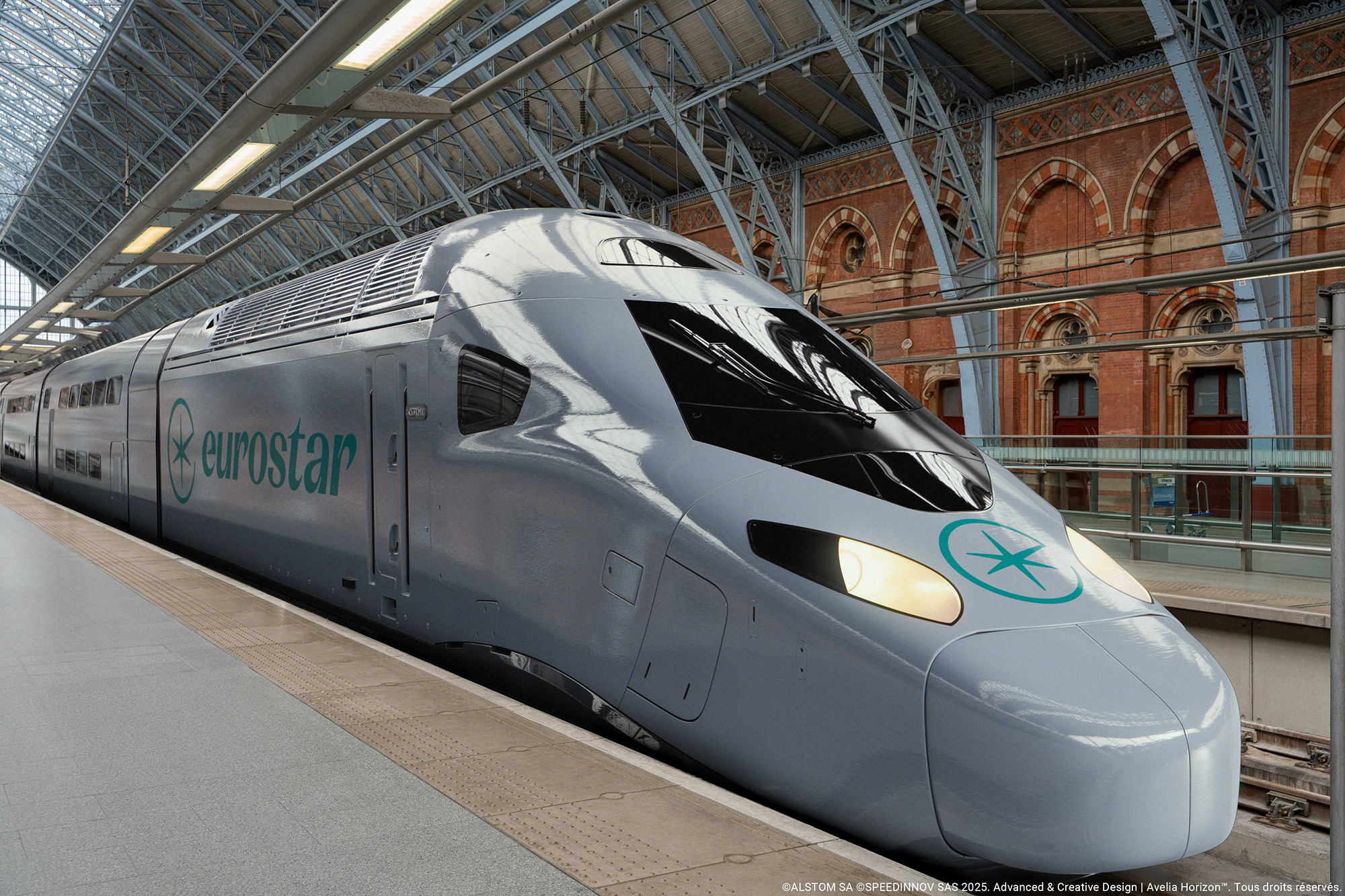
A key part of that strategy is the company’s planned investment of €2bn in a new fleet of up to 50 Celestia trains. Eurostar said the new trains will support future growth, provide more capacity and help develop planned international routes including London-Frankfurt, London-Geneva and Amsterdam/Brussels-Geneva.
During 2025, Eurostar made a first payment of €90m to Alstom Group as part of the new fleet programme.
The operator also pointed to the opening of the new Amsterdam cross-channel terminal, which is intended to improve the customer experience and triple capacity on the London-Amsterdam route.
Other work has included the continued “Ruby” refurbishment of Eurostar’s continental PBKA fleet, alongside heavy maintenance overhauls on cross-channel e320 trains. The company said the work is designed to support long-term reliability, comfort and operational performance across its existing fleet.
Eurostar also highlighted its environmental commitments, saying travel by its trains can reduce CO₂ emissions by up to 96% compared with flying on key routes. The company said it is also developing circularity projects, including turning food waste into compost and redistributing unsold products.
The operator has also set an ambition to power all of its trains with renewable electricity by 2030.
Gwendoline Cazenave, Chief Executive Officer of Eurostar, said:
“Our 2025 results demonstrate the strength of demand to travel with Eurostar and the allure of high speed, cross-border European rail travel. At the same time, we are concretely investing in the future with a bespoke new fleet on its way, enhanced stations and an improved customer experience. Even in difficult economic conditions, Eurostar continues to welcome more passengers than ever from across the world and forge the future of sustainable travel in Europe.”
Image: Eurostar
Related Stories