Thameslink Trains Successfully Trial Next-Generation Digital Signalling
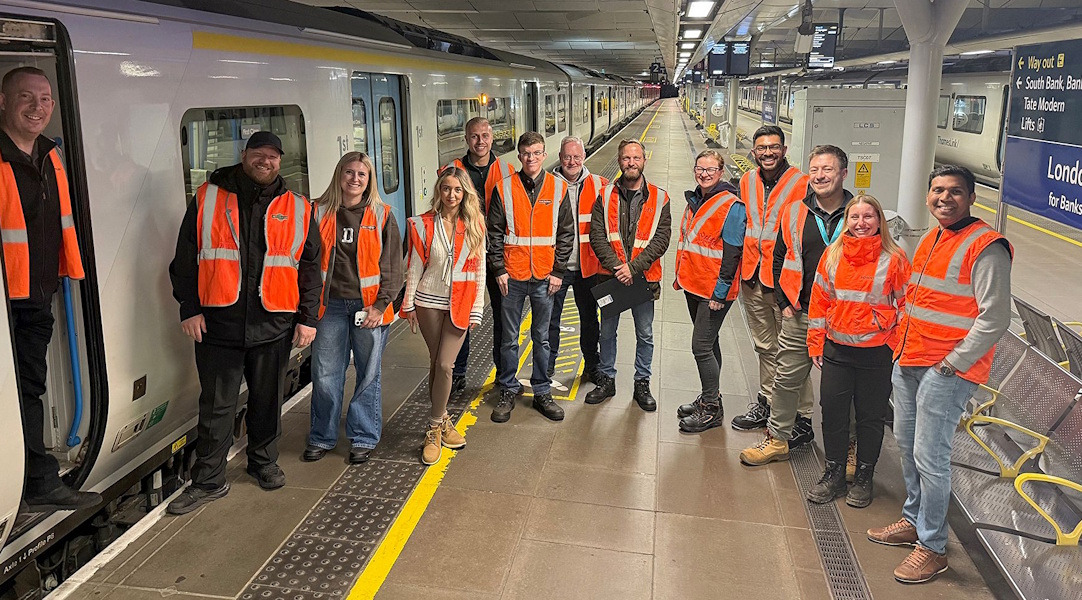

Testing of upgraded digital signalling software has successfully been carried out on a British Rail Class 700 train, marking another key stage in preparations for the rollout of in-cab signalling on the East Coast Main Line.
The Class 700 fleet operated by Govia Thameslink Railway is the largest passenger fleet involved in the Government-backed East Coast Digital Programme, a £1.4 billion scheme designed to modernise railway operations by replacing traditional lineside signals with digital information displayed directly inside drivers’ cabs.
Trials took place across two Sunday evenings in April and May within the central Thameslink core between London Bridge railway station and St Pancras International. Engineers tested the train using upgraded European Train Control System software known as ETCS version 3.6.0. The work was timed overnight to avoid disruption ahead of the Monday morning start of passenger services.
GTR is currently the only UK operator already using ETCS 3.6.0 in everyday passenger operation through its Class 717 fleet on the Northern City Line. The latest testing programme was carried out jointly by GTR, Network Rail and Siemens Mobility to ensure the upgraded system integrates correctly with existing onboard train functions.
The upgraded software is intended to improve flexibility on heavily used routes such as the East Coast Main Line by allowing trains to communicate with infrastructure through GPRS-based packet switching technology. Supporters of the scheme say digital signalling will help improve reliability, increase operational efficiency and deliver a safer railway over the long term.
The first passenger services expected to operate using ETCS on the East Coast Main Line, between Welwyn Garden City and Hitchin, are currently planned for later this year using Class 717 trains. The larger Class 700 Thameslink fleet is expected to begin migrating to the digital system from 2027 onwards.
The upgrade work is also seen as an important step for potential future ETCS introduction on other major routes including the Brighton Main Line and Midland Main Line.
Aaron Meakin, GTR’s Head of ERTMS Onboard, said:
“As the only operator in the UK currently using ETCS version 3.6.0 in customer service, we’re pleased to build on our experience using digital signalling on the Northern City Line. We’re extremely proud of the teams delivering this testing, who worked extremely hard to ensure it was completed on time and safely in a very complex and critical environment, with minimal impact to our customers.”
Ricky Barsby, Network Rail’s ECDP Access Integration lead, said:
“Getting the largest passenger fleet ready is a vital step in our preparations to gradually migrate to digital signalling on the East Coast Main Line. Having the new baseline level of ETCS in place for all fleets when they migrate will contribute to the resilience and high performance of the next generation railway.”
Richard Cooper, Infrastructure Lead and ECDP Project Director, Siemens Mobility UK&I, said:
"Building on the experience gained using digital signalling on the Northern City Line, this upgraded ETCS software on the Siemens-built Class 700 fleet will help deliver a more reliable, connected and sustainable railway for passenger and freight operators on the East Coast Main Line and beyond.”
Image: Govia Thameslink Railway
Related Stories